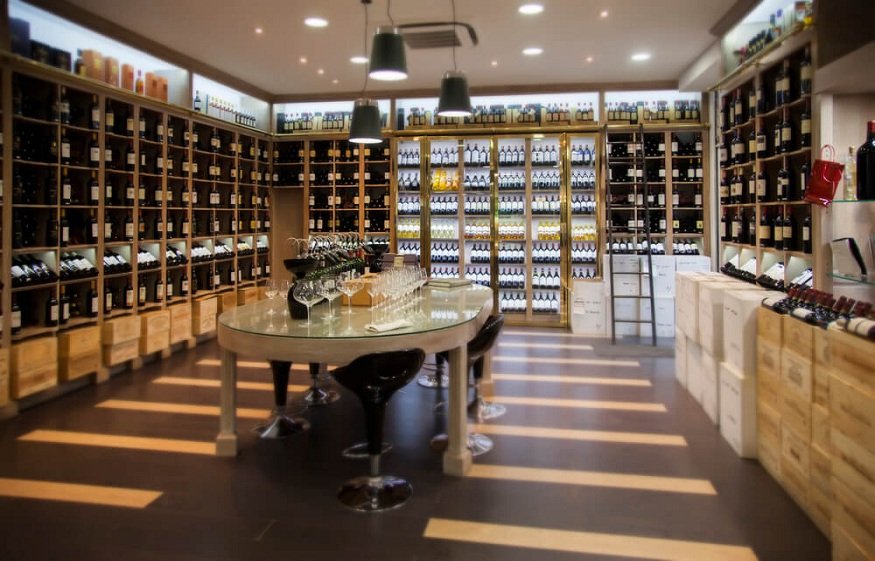
A wine cellar may look like a simple room filled with carefully arranged bottles, but maintaining the right environment requires much more planning. The cooling equipment behind the space has to work with the room’s dimensions, construction, ventilation, and surrounding areas. Choosing a unit based only on its appearance or advertised capacity can lead to installation difficulties and inconsistent performance.
For homeowners planning a new cellar or upgrading an existing one, understanding how cooling systems interact with the building is an important first step.
Begin With the Room, Not the Equipment
Before comparing cooling units, assess the physical space where the wine collection will be stored. Room volume, insulation, glass surfaces, door placement, and exposure to warmer areas all influence cooling requirements.
A compact cellar enclosed within a basement may have very different needs from a glass-fronted wine room located beside a sunlit living area. Even two rooms with identical dimensions can require different cooling arrangements because their construction and surrounding temperatures are not the same.
This is why equipment selection should follow a proper assessment of the cellar rather than relying on bottle capacity alone.
Read More: Modern Wine Rack: Style And Buying Guide
Understand the Main Installation Options
Wine cellar cooling systems come in several configurations. Each has different space, ventilation, and installation requirements.
Through-the-wall systems combine the cooling components in one unit installed through a cellar wall. They can be practical for smaller spaces, provided the adjoining room can safely accommodate the warm air exhausted by the equipment.
Ducted systems use ductwork to move conditioned air into the cellar while allowing the main equipment to remain outside the visible storage area. This can be useful when homeowners want to preserve wall space for racks or maintain a cleaner interior appearance.
Split systems separate the indoor and outdoor parts. Moving the condenser away from the cellar can reduce the amount of equipment and operating noise within the storage space. Ducted and ductless variations offer different installation possibilities.
Millesime Modern Cellars features through-the-wall, ducted, ducted split, and ductless split options from established wine-cooling brands. The available configurations make it possible to compare systems according to the requirements of an individual project.
Think About Noise Before Finalizing the Layout
Noise is an important consideration when a wine cellar is located close to frequently used living areas.
A cooling unit installed directly through a wall may be more noticeable than a system with its main mechanical components positioned remotely. This distinction matters when the cellar is beside a dining room, entertainment area, home office, or bedroom.
Ducted and split configurations can help move noisy equipment away from the display area, although the actual sound level depends on the selected model, installation, and operating conditions.
Planning equipment placement during the early design stage can prevent the need to compromise on the room’s appearance or comfort later.
Give Heat Exhaust a Proper Destination
One of the most overlooked parts of cooling-system planning is deciding where the heat removed from the cellar will go.
A self-contained unit needs an appropriate space for exhausting warm air. If that adjoining area cannot handle the additional heat, the cooling system may struggle to operate as intended.
Split systems offer another arrangement because the condenser can be positioned remotely, subject to the manufacturer’s installation requirements. However, this involves planning for refrigerant lines, electrical connections, and suitable equipment placement.
The available mechanical space should therefore influence the choice of system from the beginning.
Match Cooling Capacity to Actual Requirements
Bigger is not automatically better when selecting refrigeration equipment. An undersized system may struggle to maintain the desired conditions, while an incorrectly oversized unit may not operate as efficiently as expected.
Capacity selection should account for room volume, insulation, glass area, surrounding temperatures, and other sources of heat. Manufacturers’ specifications and professional calculations are useful for identifying an appropriate model.
Read More: Bedsheet Sets: Choose the Best Material
Homeowners should also consider temperature monitoring, humidity management, accessibility for servicing, and the manufacturer’s maintenance recommendations.
Plan for Long-Term Access and Maintenance
Cooling equipment needs to remain accessible after installation. Filters, coils, drainage arrangements, electrical connections, and other service points should not be hidden behind permanent architectural features.
Routine inspection and cleaning can help identify problems before they affect the cellar environment. It is also worth checking warranty conditions and installation requirements before purchasing a unit.
A system that is easy to maintain is more likely to remain practical over the long term.
Conclusion
The most successful wine cellars are planned as complete environments rather than collections of separate components. Racking, glass, lighting, insulation, ventilation, and refrigeration all influence how the finished room performs.
Exploring climate control units for wine cellars before construction or renovation is therefore a practical way to avoid costly changes later. By matching the equipment to the room’s architecture, noise expectations, heat load, and installation possibilities, homeowners can create a cellar that protects their collection while complementing the rest of the property.
A well-designed wine room should be enjoyable to look at, convenient to use, and properly equipped behind the scenes. Getting the cooling strategy right helps bring all three objectives together.