Colorado weather can change quickly, and in the Denver area, hailstorms are one of the leading causes of roof damage for homeowners. While some storm damage is immediately visible, many roofs suffer hidden hail impacts that go unnoticed until leaks or interior water damage begin to appear months later.
Because of how common severe weather is along the Front Range, many homeowners schedule roof inspections after major storms to make sure their roofing system is still protecting the property properly. Working with an experienced Denver roofing contractor can help identify damage early before small problems turn into expensive repairs.
What Does Hail Damage Look Like on a Roof?
One of the most common misconceptions about hail damage is that it always creates large visible holes or missing shingles. In reality, many hail impacts are more subtle and can only be identified during a close inspection.
Common signs of hail damage on asphalt shingles include:
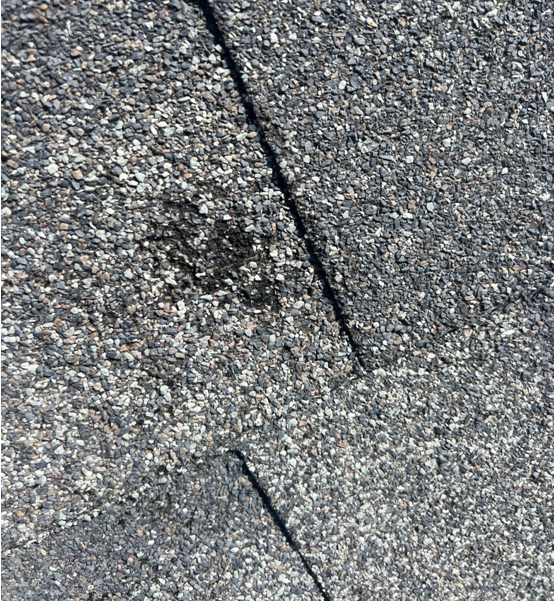
- Circular dark spots where granules have been displaced
- Soft bruising in the shingle mat
- Cracking around impact areas
- Exposed asphalt beneath the granules
- Random impact patterns across multiple roof slopes
- Damage to roof vents, flashing, gutters, and soft metals.
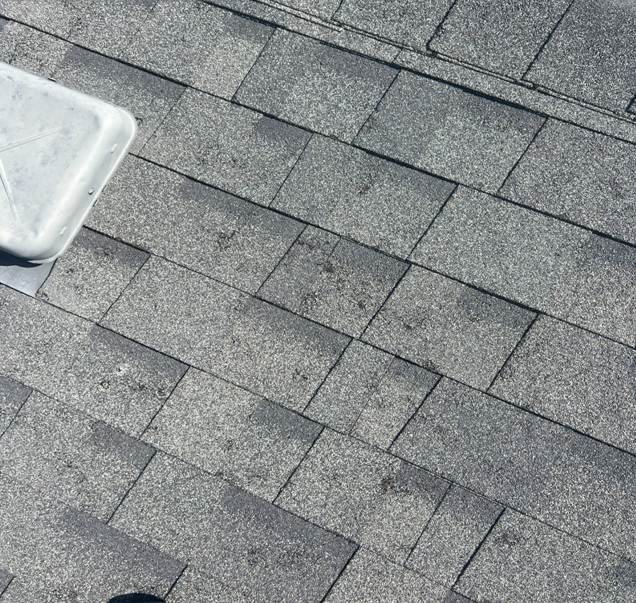
Over time, these damaged areas can weaken the integrity of the roof and reduce the lifespan of the shingles. Once the protective granules are displaced, UV rays and moisture can accelerate deterioration much faster than many homeowners realize.
Why Hail Damage Is So Common in Denver
Denver and surrounding Colorado communities experience some of the highest hail claim volumes in the country each year. Rapid weather changes, elevation, and strong storm systems create conditions where
hailstorms can develop quickly during spring and summer months.
Understanding the Insurance Claim Process After a Storm
For many homeowners, the insurance process can feel overwhelming after discovering possible hail damage. Questions about inspections, documentation, deductibles, and approvals often create confusion during an already stressful situation.
Having a contractor familiar with storm restoration and the claims process can help homeowners better understand what steps may be needed after a major hail event. Homeowners looking to learn more about inspections and storm-related claims can review additional information about roof insurance claims in Denver and how the process typically works after severe weather.
When Should You Schedule a Roof Inspection?
After a hailstorm, homeowners should consider having their roof inspected if they notice:
- Dented gutters or downspouts
- Granules washing into downspout areas
- Water stains appearing indoors
- Missing shingles
- Neighbors receiving roof replacements
- Recent storms with hail larger than one inch
Hail damage is one of the most common roofing issues homeowners face in Colorado, but not all storm damage is immediately visible from the ground. A professional inspection can help determine whether the roof has cosmetic wear or functional damage that may need attention.
For Denver homeowners, understanding what hail damage looks like and taking action early after severe weather can help protect the long-term condition of the property and avoid larger roofing problems down the road.