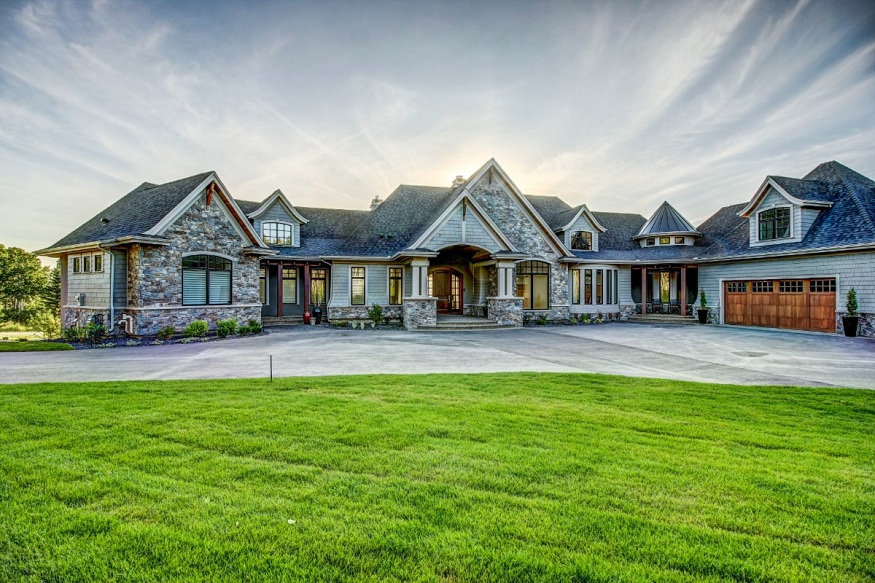
Unveiling the Essentials of Custom Home Design
Understanding Your Unique Vision
Custom home design is a transformative journey, a tailored experience where your personal tastes, preferences, and lifestyle come together to create a one-of-a-kind living space. To embark on this adventure, begin by articulating your unique vision. Consider the purpose of the space: Is it an oasis of tranquility, a hub for family gatherings, or a dynamic environment suited for entertaining friends? Reflecting on your day-to-day activities, hobbies, and values will allow you to outline a clear vision of what you wish to achieve. This process often involves brainstorming sessions where you sketch ideas, create mood boards, and gather inspiration from various sources such as online galleries, design magazines, or even nature. The clearer your vision, the smoother the design process will be, as it serves as a guide for architectural decisions and stylistic choices. Remember, this home will reflect not just your aesthetic preferences but your lifestyle, so ensure that it embodies who you are.
Key Elements of Innovative Design
When diving into custom home design, incorporating innovative elements is crucial in crafting a space that is not only functional but also invigorating. Leading-edge design often involves a stark understanding of materiality, structure, and technology. This means embracing new materials like sustainable composites, which not only enhance aesthetics but also promote environmental sustainability. Moreover, innovative design prioritizes open spaces and organic forms that promote natural light flow, thereby enhancing mood and reducing energy costs. It also beckons towards embracing smart home technologies that increase comfort and efficiency, such as automated lighting systems, thermostatic controls, and security systems that can be managed remotely. Furthermore, the creative application of modular furniture and multi-purpose rooms allows for versatile living spaces that can evolve with your needs, adapting to lifestyle changes over time. Integrating these innovative elements can elevate a standard home into a truly extraordinary living environment.
Balancing Functionality and Aesthetics
Striking the perfect balance between functionality and aesthetics is essential in custom home design. As you progress into designing your dream space, consider how each room will serve its purpose both practically and visually. For instance, in the kitchen, functionality is paramount; thus, opt for layouts that maximize workflow, such as the work triangle concept, which creates efficiency between sink, stove, and refrigerator. But don’t overlook aesthetics: incorporate visually appealing elements like custom cabinetry, statement backsplashes, and warm lighting to bring cohesion and personality to the space. Similarly, the living room should be a serene retreat, demonstrating both its role as a gathering space for family and guests while offering comfort through stylish yet ergonomic furniture. Furthermore, think about elements such as storage solutions that blend seamlessly into your design, ensuring that organization does not compromise your aesthetic vision. In essence, a successful design harmonizes both practicality and beauty, enhancing your daily experience while making a lasting impression.
Read More: Debris Removal Challenges No One Talks About
Embracing Calgary’s Architectural Styles
From Modern Minimalism to Rustic Charm
Calgary’s architectural landscape is richly diverse, offering a tapestry of styles that can inspire your custom home design Calgary. On one hand, modern minimalism has gained traction, characterized by clean lines, open spaces, and a minimalist aesthetic that champions simplicity and functionality. This style emphasizes the use of neutral color palettes, large windows that invite natural light, and decluttered spaces that create a sense of tranquility. On the other hand, rustic charm exudes warmth and coziness, featuring natural materials like wood and stone, exposed beams, and earthy tones that bring a touch of nature indoors. Whether you lean toward the stark elegance of minimalism or the inviting atmosphere of rustic charm, Calgary’s architectural influences provide a strong foundation for your vision. You have the flexibility to blend these styles, crafting an individual approach that resonates with your taste while celebrating the unique character of the region.
How Local Culture Influences Design Choices
The cultural influences surrounding Calgary profoundly impact custom home design, reflecting the city’s heritage, lifestyle, and community values. The burgeoning arts scene and a growing appreciation for local craftsmanship can lead to integrating artisanal elements into your home, incorporating handmade features, local art, or historic references that tell a story. Moreover, the presence of diverse cultural backgrounds in the city encourages the breaking of conventional design boundaries, inspiring unique combinations of architectural styles and materials. Rich traditions influenced by First Nations history can also be elucidated within modern design by incorporating natural motifs and sustainable building practices, reflecting reverence for nature and environment. As you embark on designing your home, infusing these cultural nuances will not only enrich your space but also create a link to Calgary’s vibrant identity.
Read More: 5 Tree Maintenance Tips: The Secret to Healthy Trees
Integrating Nature into Urban Landscapes
Being situated in a bustling urban setting, Calgary presents unique challenges and opportunities when it comes to integrating nature into custom home design. Emphasizing biophilic design is essential here, which reconnects residents with nature, enhancing well-being and quality of life. By incorporating elements such as green roofs, living walls, or expansive windows that provide panoramic views of the surrounding landscape, you create a seamless transition between indoor and outdoor spaces. Furthermore, the strategic placement of native plants can yield benefits such as reduced maintenance needs and lower water usage. Outdoor living spaces, such as patios and gardens, can be designed to serve as extensions of the home, providing serene escapes for relaxation or social gatherings. Ultimately, merging natural elements with urban architecture cultivates a space that is not only visually stunning but also grounding and restorative.
Budgeting for Your Dream Space: The Financial Framework
Cost Breakdown: What to Expect
Crafting your dream home comes with financial implications that can range from straightforward to complex. Understanding the cost breakdown will equip you with the foresight to navigate this journey. Typically, costs can be categorized into several areas: land acquisition, design fees, permits, construction costs, and interior furnishing. The validation of land prices in Calgary fluctuates based on location, size, and development potential. It’s also paramount to budget for architectural and design fees, which often amount to 5-15% of your total project costs. After securing your land, construction costs which can vary significantly should be estimated realistically, factoring in labor, material costs, and complexity of the design. Additionally, consider ancillary costs like landscaping, permits, and inspections. Allow for a contingency fund of 10-20% of your total budget to account for unforeseen expenses that may arise during construction. By approaching budgeting methodically, you’ll create a financial framework that allows for flexibility while safeguarding against financial stress.
Creative Solutions for Budget Constraints
While embarking on a custom home design journey, budget constraints may lead you to seek creative solutions that maintain your vision without breaking the bank. One approach to counteract high costs is to prioritize key features that truly matter to you. By defining which elements are non-negotiable such as high-quality kitchen appliances or eco-friendly materials you can trim down other areas that may not have as significant an impact on overall satisfaction. Engaging in DIY projects for certain interior design aspects can also cut costs while infusing your personality into the space. Additionally, consider implementing a phased approach to construction, allowing you to spread out expenses over time and complete stages of your home as funds become available. In many cases, collaborating with local artisans can also reduce costs while promoting community engagement and supporting local businesses. Engaging in open, honest discussions with your designer about budget constraints is vital to finding innovative solutions that align with both your dream and your finances.
Investing in Quality vs. Cutting Corners
In the realm of custom home design, the age-old adage “you get what you pay for” rings especially true. As you develop your budget, a critical consideration should involve the choice between investing in quality and cutting corners. Cutting corners may pose immediate financial relief but can have long-term repercussions that may outweigh initial savings. For instance, selecting lower-quality materials may lead to degradation over time, necessitating costly repairs or replacements sooner than anticipated. Conversely, investing in high-quality materials like durable flooring, efficient insulation, and top-of-the-line fixtures may result in significant savings through enhanced durability, lower maintenance costs, and improved energy efficiency. Furthermore, quality craftsmanship leads to better visual appeal and can even add value to your property, making it a sound investment. Thus, while it may be tempting to cut costs in certain aspects of your design, strategically allocating resources towards quality will yield a more satisfying and sustainable outcome for your dream space.
The Journey from Concept to Reality: Collaborating with Experts
Choosing the Right Designer for Your Project
The selection of the right design professional is a defining factor in the success of your custom home project. A proficient designer can translate your abstract ideas into tangible designs that merge creativity with constructability, and finding someone whose aesthetic aligns with your vision is essential. Seek designers who have experience with local customs and regulations, as they will be equipped to navigate the complexities of Calgary’s building environment. Reviewing their portfolios and engaging in initial consultations allows you to assess their design approach and communication style, which is vital for a successful partnership. Look for references or testimonials from past clients to gauge satisfaction with their ability to meet deadlines and budgets. Establishing a connection built on trust and mutual respect will foster a collaborative atmosphere in which your dream space can unfold organically.
Communicating Your Ideas: A Collaborative Approach
Beyond selecting the right designer, effective communication is crucial in facilitating a collaborative approach to your project. Clearly articulating your ideas, preferences, and lifestyle requirements helps shape the design narrative, drawing on your expertise about how you live day-to-day. Schedule initial brainstorming sessions where you can present your vision and share any inspirations you’ve gathered, ensuring that the designer understands your perspective. Utilizing digital tools like project management software or design apps can streamline communication and offer visual references that can clarify your thoughts. Regular check-ins during the design process help maintain momentum and allow for adjustments as ideas evolve. This collaborative approach nurtures a productive partnership between you and your designer, increasing the likelihood that the final outcome resonates with your original aspirations.
Managing Expectations and Timelines
Custom home design is as much about patience and expectation management as it is about creativity and aesthetics. Being realistic about timelines and project scopes will guide your journey toward completion. Early in the process, establish a detailed project timeline that outlines key milestones, from concept development through to construction and finishing touches. Understand that unforeseen challenges may arise that can impact timelines, such as regulatory approvals or unexpected construction obstacles. Communicating these possibilities with your designer from the outset will promote transparency and foster a collaborative mindset, allowing for adaptive problem-solving. As you progress, celebrating incremental milestones cultivates a sense of accomplishment, grounding your enthusiasm in the gradual realization of your vision. By managing expectations effectively, you can approach the custom home design process with confidence and excitement, turning your dreams into reality without the burden of unnecessary stress.